
The World’s Tallest Buildings in 2025
The world’s tallest skyscrapers showcase humanity’s unrelenting pursuit of fresh engineering frontiers while existing as brash statements in architecture that fascinate the world’s population. They pierce well above their cities, standing tall as super tall and occasionally “megatall” skyscrapers, which embody technological innovation, the aspiration of city governments, and economic potential in the areas they support. For most cities, to have one of the world’s tallest buildings is more than an ego trip—it’s a reflection of the city’s ambition, strength, and cultural aspirations.
The following is a list of the world’s 10 tallest buildings, each reflecting a notable milestone in skyscraper development. Along with their record-breaking heights, we’ll look at the structures’ unique features, cultural impact, and influence on future construction patterns, providing insight into how these modern architectural marvels continue to affect the worldwide urban experience.
1. Burj Khalifa (Dubai, UAE)
- Height: 828 meters (2,717 feet)
- Floors: 163
- Completed: 2010
- Architect: Adrian Smith (Skidmore, Owings & Merrill)
Key Facts About Burj Khalifa (Dubai, UAE):
- Currently the tallest structure in the world.
- This skyscraper in Downtown Dubai offers residential, commercial, and office space.
- Observation decks on the 124th, 125th, and 148th floors provide views of Dubai’s skyline.
- Interesting fact: the Burj Khalifa’s foundation required more than 330,000 cubic meters of concrete.
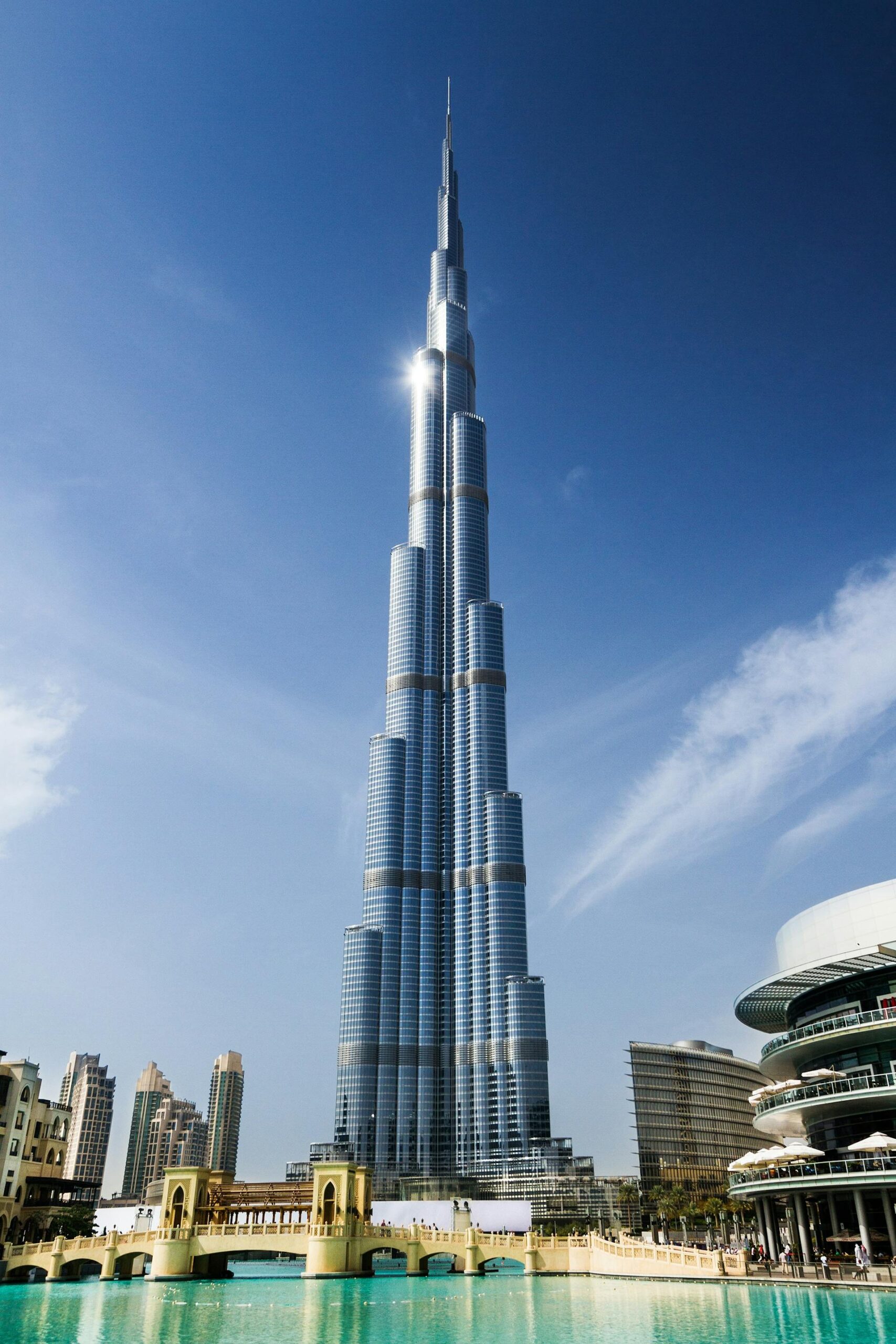
Additional Information: The tower’s design was influenced by Islamic architecture, particularly the spiraling minaret. It also has a world-record-breaking elevator system with the longest travel distance of any lift in the world.
About Burj Khalifa
Burj Khalifa, a mixed-use skyscraper in Dubai, United Arab Emirates, and the world’s tallest building, by all three of the principal criteria used to evaluate such structures (see Researcher’s Note: Heights of Buildings). Burj Khalifa (“Khalifa Tower”), previously referred to as Burj Dubai was officially named in honor of the ruler of the neighboring emirate of Abu Dhabi, Sheikh Khalifa ibn Zayed Al Nahyan.
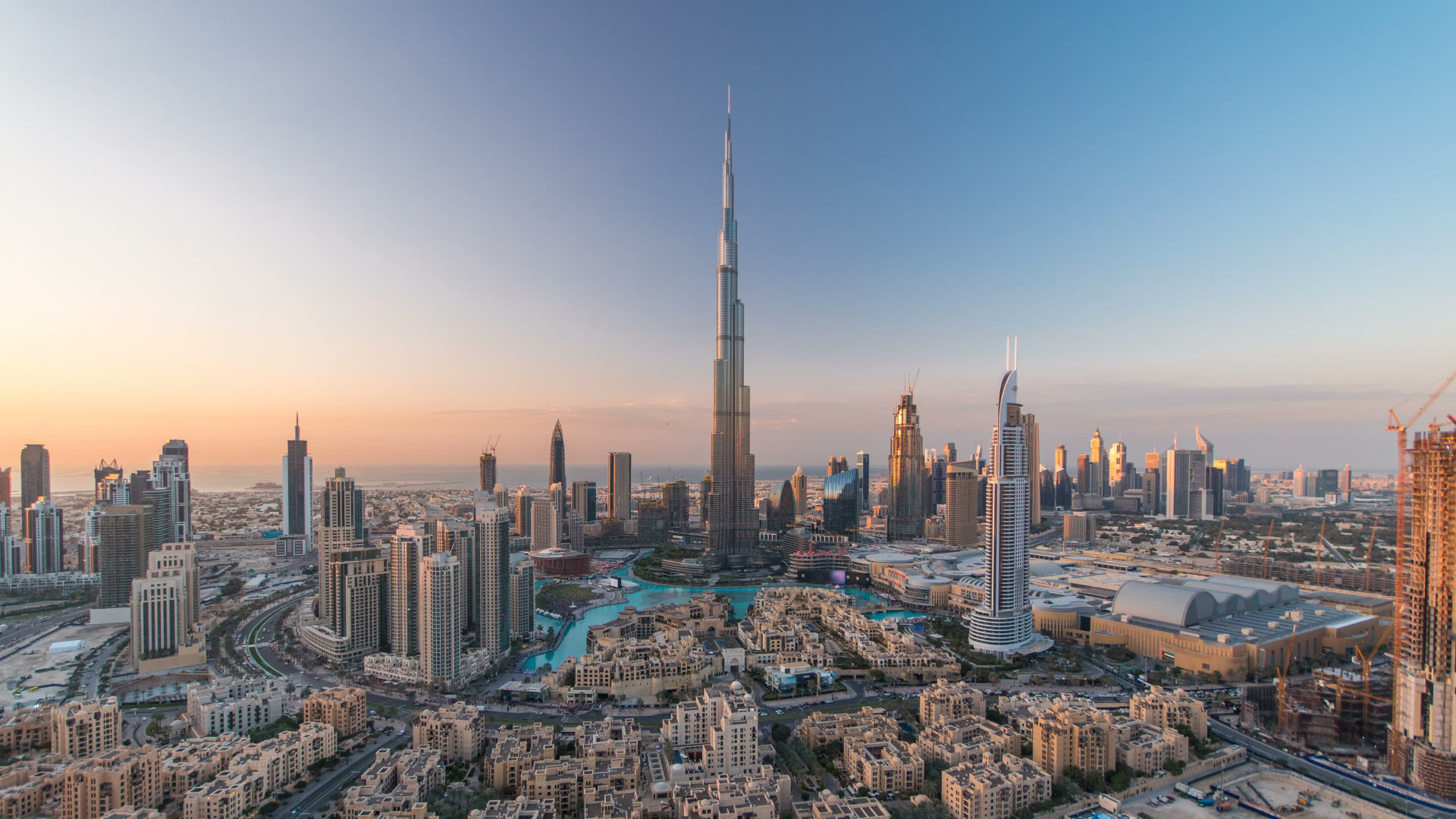
While the tower officially opened on January 4, 2010, the entire interior was not complete at that time. Constructed to accommodate a wide range of commercial, residential, and hospitality projects, the tower—which maintained its planned height as a closely held secret during construction—made it to 163 floors and 2,717 feet (828 meters) in height. The tower was designed by the Chicago architecture firm Skidmore, Owings & Merrill. Adrian Smith was the architect, and William F. Baker was the structural engineer for this structure.
Learn about engineering and how it provides practical solutions such as constructing airplanes, skyscrapers, and bridges
Understand engineering and how it fixes everyday issues such as constructing airplanes, skyscrapers, and bridgesUnderstand how engineers fix everyday issues in the world, for instance, how to construct airplanes,
2. Merdeka 118 (Kuala Lumpur, Malaysia)
